
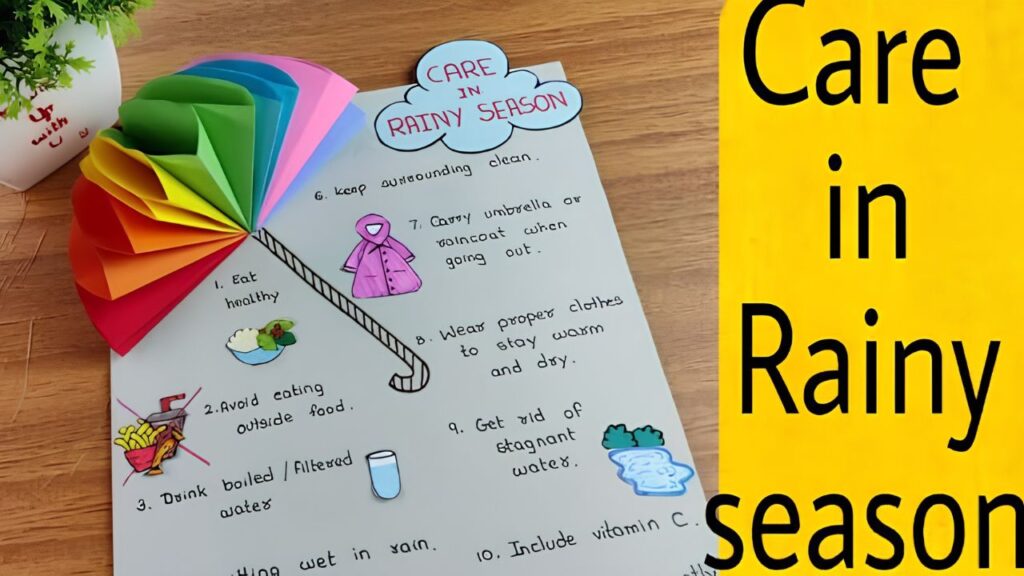
The Ultimate Guide: Top 10 Rainy Season Hygiene Tips Every Family Should Follow
The arrival of the rainy season brings relief from scorching summer heat, lush green landscapes, and a refreshing change in weather. However, alongside cool breezes and romantic downpours, the wet weather introduces significant health risks, including waterborne bacteria, airborne viruses, vector-borne diseases like dengue and malaria, and persistent fungal skin infections. High atmospheric humidity combined with stagnant rainwater creates ideal breeding conditions for pathogens that target children, adults, and the elderly alike.
To safeguard your loved ones from seasonal illnesses, implementing structured daily sanitation habits is essential. Adopting Top 10 Rainy Season Hygiene practices helps your household build a robust barrier against contamination and infection. In this comprehensive guide, we break down actionable, expert-approved wellness strategies, household sanitation rules, and dietary precautions designed to keep your family safe, healthy, and energized throughout the wet months.
Why Rainy Season Hygiene Requires Special Attention
When humidity levels rise during the monsoon, microbial growth accelerates dramatically on wet surfaces, clothing, food items, and human skin. Municipal water supply lines are prone to rainwater runoff contamination, making tap water unsafe for direct consumption. Furthermore, damp indoor corners become hotspots for mold, mildew, and dust mites, triggering respiratory issues and allergies.
Families must transition from basic summer habits to a specialized wet-weather routine. Prioritizing Top 10 Rainy Season Hygiene principles ensures that every room in your house, every meal prepared, and every personal care habit actively wards off seasonal pathogens.
Top 10 Rainy Season Hygiene Tips for Complete Household Protection
Below are the ten most effective, dermatologist and healthcare practitioner-recommended hygiene guidelines tailored for households:
1. Rigorous Hand Sanitation and Personal Disinfection
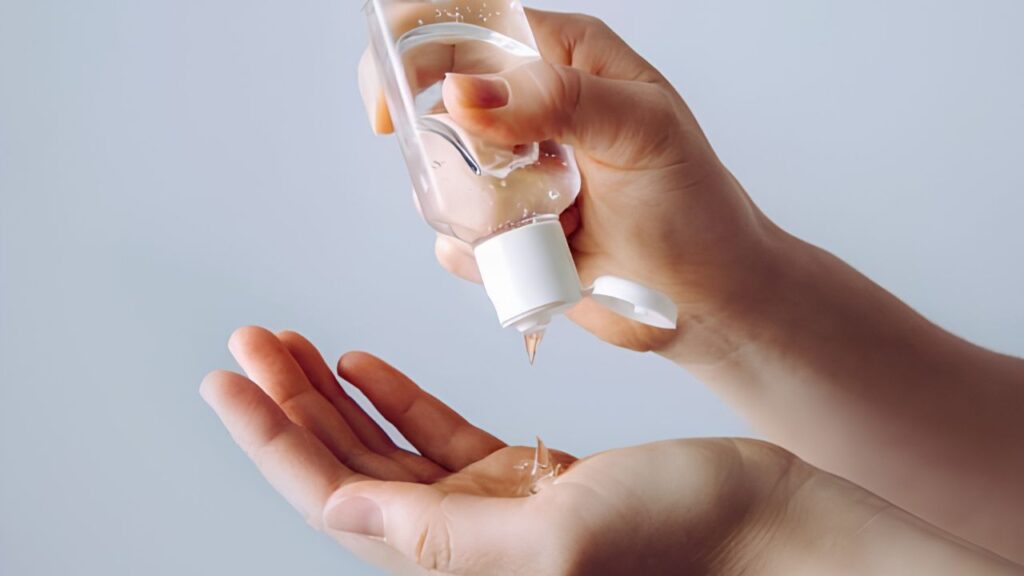
Hand hygiene remains your first line of defense against viral fevers, flu, and gastrointestinal infections. Microbes transferred from contaminated doorknobs, handrails, and public transport quickly enter the body via the eyes, nose, or mouth.
- 20-Second Handwashing Rule: Wash hands thoroughly using antibacterial soap and clean running water before eating, cooking, or touching face areas, and immediately after returning from outdoors.
- Antiseptic Baths: Whenever family members get caught in sudden rain, they should take a warm shower diluted with a mild antiseptic liquid or neem extracts to eliminate rainwater bacteria.
- Carry Portable Sanitizers: Keep alcohol-based hand sanitizers (at least 60% alcohol) in school bags, office totes, and cars for on-the-go hand hygiene when soap and water are unavailable.
Incorporating hand care into your Top 10 Rainy Season Hygiene checklist drastically lowers cross-contamination within the household.
2. Strict Water Purification and Hydration Management

Contaminated water is the primary cause of cholera, typhoid, dysentery, and jaundice during the monsoon. Even municipal tap water can become unsafe due to pipe leakages and groundwater runoff.
- Boiling and RO Filtration: Always boil drinking water for at least 10–15 minutes or pass it through a functional Reverse Osmosis (RO) UV water purifier.
- Clean Storage Containers: Store purified water in clean, covered stainless steel or glass containers. Clean water storage jugs daily to prevent slime accumulation.
- Avoid Outside Ice and Tap Drinks: Instruct children and family members to avoid street-side juices, iced beverages, and open water stations, as ice cubes are frequently made from unverified water sources.
Consistent adherence to water safety as part of Top 10 Rainy Season Hygiene protects the digestive system from severe waterborne bacterial spikes.
3. Food Safety, Produce Scrubbing, and Kitchen Hygiene
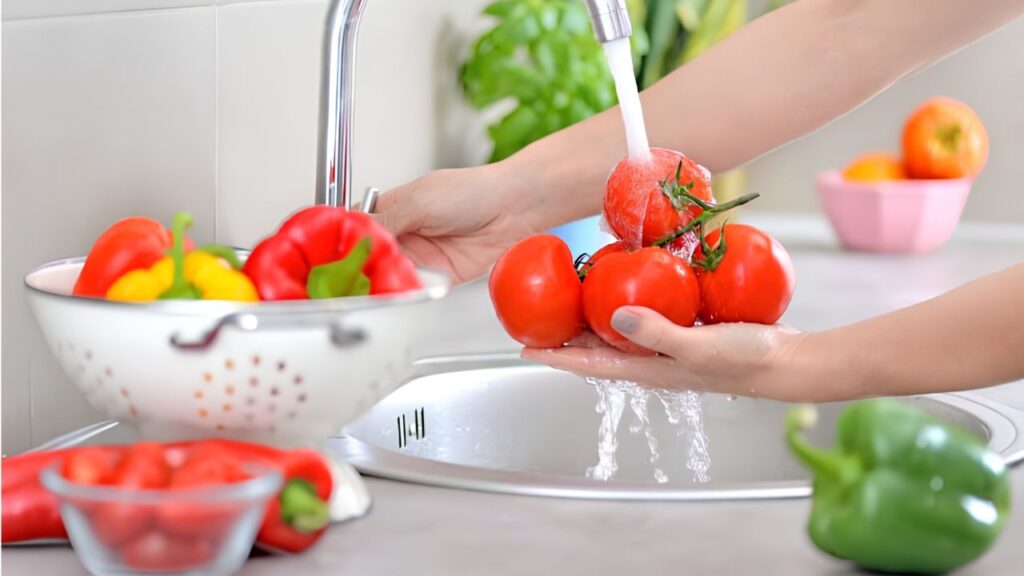
Humid ambient air creates an ideal environment for rapid bacterial multiplication on food surfaces, raw cut fruits, and dairy products.
| Produce Category | Recommended Cleaning Method | Storage Tip |
|---|---|---|
| Leafy Greens (Spinach, Kale) | Wash repeatedly under running water, soak in mild saltwater or vinegar solution, cook thoroughly. | Do not store wet in plastic bags; dry completely before refrigeration. |
| Root Vegetables & Fruits | Scrub firmly with a veggie brush under clean tap water to remove dirt and pest larvae. | Keep in well-ventilated fruit baskets away from moisture. |
| Leftover Home-Cooked Food | Reheat thoroughly to boiling temperature before consumption. | Refrigerate within 1–2 hours of preparation; do not leave at room temp. |
- Avoid Raw Street Snacks: Say no to open street stalls, raw salads, pre-cut fruit plates, and uncooked chutneys where flies and dirty rainwater mist settle.
- Sanitize Kitchen Countertops: Clean kitchen counters, chopping boards, and sink areas twice daily using food-safe disinfectant sprays.
Prioritizing clean cooking habits under Top 10 Rainy Season Hygiene protocols prevents food poisoning and abdominal cramps.
4. Mosquito Control and Stagnant Water Elimination

Mosquito-borne diseases like Dengue, Chikungunya, and Malaria peak during the rainy season because mosquitoes breed in standing water.
- Eliminate Standing Water: Regularly inspect flowerpot trays, air coolers, bird baths, clogged balcony drains, roof gutters, and discarded tires. Empty and clean them at least twice a week.
- Use Physical Barriers: Install fine mesh wire screens on doors and windows to keep mosquitoes out while letting fresh air circulate. Use mosquito nets over beds, especially for babies and infants.
- Apply Repellents and Wear Protective Clothing: Dress family members in lightweight, long-sleeved tops and full pants when stepping outside. Apply DEET or natural citronella-based mosquito repellent creams on exposed skin.
An active pest control routine is a critical foundation of Top 10 Rainy Season Hygiene for urban and rural households alike.
5. Foot Care and Footwear Decontamination
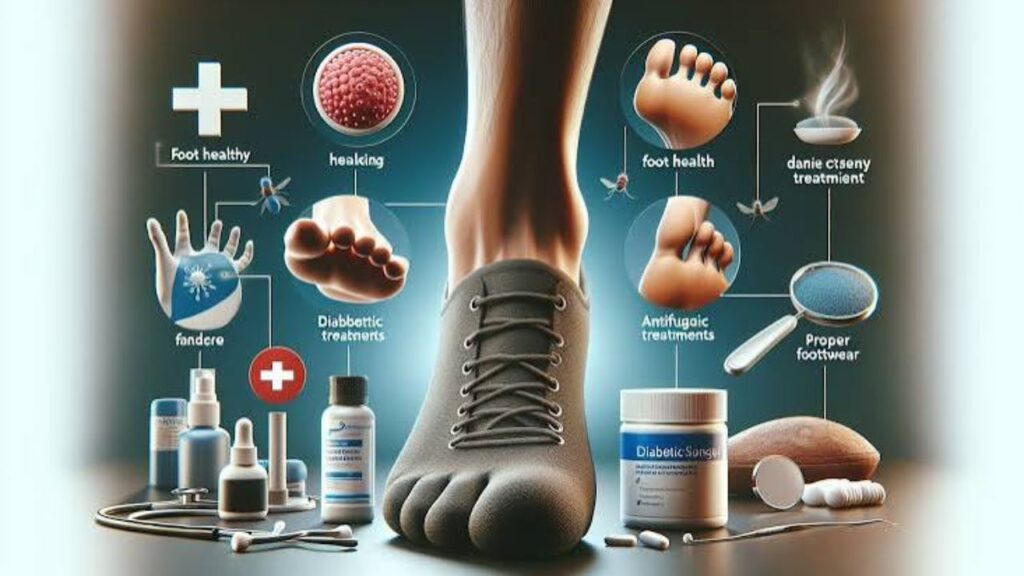
Walking through rainwater puddles exposes feet to sewage runoff, bacterial mud, and pathogenic fungi, leading to Athlete’s foot, ringworm, and leptospirosis.
- Wash Feet Immediately: Upon returning home, soak and scrub feet with warm water, anti-bacterial soap, and a soft brush, paying special attention to areas between toes. Dry thoroughly.
- Choose Waterproof Footwear: Avoid absorbent canvas shoes, leather boots, or cloth sneakers during rain. Wear easy-to-clean rubber, EVA, or washable waterproof sandals.
- Disinfect Shoes and Socks: Never wear damp socks or damp footwear. Sprinkle dusting anti-fungal powder inside shoes before slipping them on.
Dedicated foot care is an essential element of Top 10 Rainy Season Hygiene that prevents stubborn skin rashes and fungal infections.
6. Indoor Dampness, Mold Prevention, and Ventilation
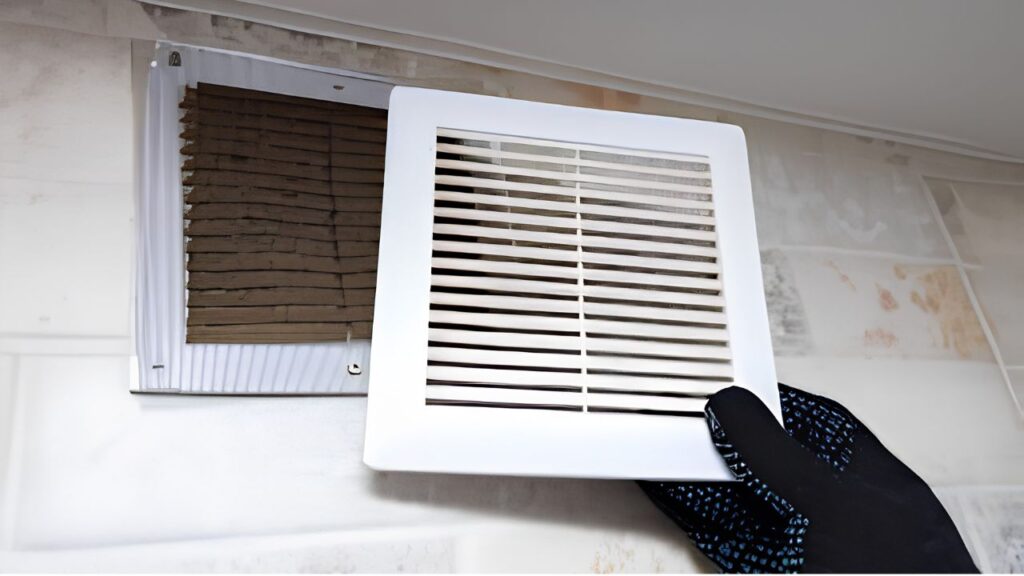
Damp walls, dark cupboards, and wet bathroom tiles promote mold growth, releasing airborne spores that exacerbate asthma, sinus issues, and skin allergies.
- Promote Air Circulation: Open windows during dry hours to let fresh air flush out indoor moisture. Use exhaust fans in kitchens and bathrooms.
- Deploy Dehumidifiers and Absorbers: Use electronic dehumidifiers or place silica gel packs, activated charcoal, or calcium chloride moisture absorbers inside dark wardrobes and shoe racks.
- Disinfect Mold-Prone Surfaces: Wipe bathroom corners, window frames, and damp walls regularly with dilute bleach, white vinegar, or anti-fungal home cleaners.
Maintaining dry indoor air quality forms a key pillar of Top 10 Rainy Season Hygiene for family respiratory health.
7. Laundry Hygiene, Fabric Drying, and Garment Care
Drying clothes indoors during high humidity often leaves garments smelling musty and damp, retaining fungal spores that irritate sensitive skin.
- Use Antiseptic Laundry Additives: Add a cup of disinfectant laundry liquid or white vinegar to your washing machine’s rinse cycle to kill lingering microbes.
- Ensure Full Drying: Avoid wearing garments that are even slightly damp. If outdoor drying is impossible due to continuous rain, dry clothes under a ceiling fan or in a ventilated room.
- Iron Clothes Before Use: Ironing damp clothes with a hot steam iron effectively kills trapped microscopic fungal spores and flattens fabric fibers.
Smart garment maintenance under Top 10 Rainy Season Hygiene protects skin barrier health for children and adults.
8. Personal Grooming, Nail Care, and Hair Maintenance
Scalp humidity and unclipped nails are subtle but frequent vectors for bacterial transmission during wet months.
- Keep Nails Trimmed Short: Dirt, mud, and fecal coliform bacteria easily get trapped under long fingernails and toenails, which then transfer to food during meals. Keep family members’ nails neatly trimmed and scrubbed clean.
- Dry Scalp and Hair Promptly: Wet hair trapped in a humid environment promotes dandruff, fungal scalp infections (tinea capitis), and hair fall. Dry hair thoroughly with a clean towel or hair dryer after getting wet.
- Avoid Sharing Personal Items: Strictly prohibit sharing towels, hairbrushes, handkerchiefs, or socks among family members to prevent cross-spreading skin pathogens.
Following meticulous personal grooming as part of Top 10 Rainy Season Hygiene maintains daily personal wellness.
Read More-10 Expert Monsoon Makeup Tips for a Flawless, Humidity-Proof Lookhttps://biharidihatti.online/10-expert-monsoon-makeup-tips/
9. Immunity-Boosting Nutrition and Hydration Intake
A robust immune system works synergistically with external sanitation to defend against seasonal pathogens.
- Incorporate Natural Antimicrobials: Serve hot herbal teas cooked with ginger, tulsi (holy basil), black pepper, and clove. Offer warm golden turmeric milk before bedtime to soothe airways and fight internal inflammation.
- Eat Vitamin C-Rich Seasonal Foods: Include pomegranates, citrus fruits, cooked seasonal vegetables, and warm soups rich in garlic and onions to boost white blood cell defenses.
- Maintain Warm Fluid Intake: People tend to drink less water in cool weather, leading to mild dehydration. Consume warm herbal broths, clear soups, and warm water to keep bodily detoxification channels active.
Integrating dietary discipline with your Top 10 Rainy Season Hygiene strategy enhances internal resilience against viruses.
10. Disinfecting High-Touch Home Surfaces and Pet Hygiene
High-touch objects act as reservoirs for viral particles brought indoors from school, office, or public places.
- Daily Surface Sanitization: Wipe down mobile screens, TV remotes, door handles, light switches, refrigerator handles, and stair railings daily using disinfectant wipes or isopropyl alcohol sprays.
- Pet Care Routine: After walking dogs outdoors, thoroughly wash and dry their paws with warm water and pet-safe antiseptic wipes before letting them roam freely indoors. Keep their bedding clean and dry.
- Keep Trash Cans Sealed: Ensure all kitchen trash bins are tightly covered to prevent flies and mosquitoes from feeding on wet organic waste.
Systematic surface cleaning completes your Top 10 Rainy Season Hygiene defense network for a clean living environment.
Action Plan: Daily Checklist for Families
To make these recommendations easy to implement, here is a quick daily action matrix:
Consistently referring to this Top 10 Rainy Season Hygiene schedule builds lasting habits that keep seasonal illnesses at bay.
Frequently Asked Questions (FAQs)
Q1. What are the key elements of Top 10 Rainy Season Hygiene for young children?
A: Young children require special attention because their immune systems are still developing. Key practices under Top 10 Rainy Season Hygiene for kids include keeping their nails trimmed short, preventing them from walking barefoot or playing in rainwater puddles, ensuring they consume boiled water, dressing them in full-sleeved cotton clothes, and washing their hands with antibacterial soap frequently throughout the day.
Q2. How can I protect my skin from fungal infections during wet weather?
A: Fungal infections like ringworm and athlete’s foot thrive in warm, humid skin folds. To protect your skin, dry yourself thoroughly after showering, apply dusting antifungal powders to sweat-prone areas (such as armpits, groin, and between toes), wear loose cotton clothing, and change out of damp or sweaty garments immediately.
Q3. Why is boiling water necessary even if we use a modern water filter?
A: While modern water filters perform well under normal conditions, severe monsoon rains can lead to heavy municipal water pipe contamination and high bacterial loads. Following Top 10 Rainy Season Hygiene guidelines, boiling water for at least 10 minutes serves as an additional safeguard that kills resistant pathogens, micro-parasites, and viruses that might slip past damaged filter cartridges.
Q4. How do I eliminate damp, musty smells from clothes dried indoors?
A: To eliminate musty smells caused by indoor drying, add half a cup of white vinegar or a capful of disinfectant liquid to the rinse cycle. Ensure clothes are spread out with space between hangers, use a fan to speed up air drying, and iron garments with heat before folding them into closets.
Q5. What natural home remedies help strengthen family immunity during monsoons?
A: Time-tested remedies include golden turmeric milk, ginger-tulsi tea, home-brewed herbal concoctions (kadha), garlic-rich soups, and vitamin C-rich fruits like citrus and pomegranates. Combined with physical sanitation, these remedies support respiratory and digestive defenses naturally.
Conclusion
The rainy season should be a time of enjoyment, cozy indoor moments, and refreshing weather—not a period spent dealing with preventable infections, hospital visits, or digestive troubles. By prioritizing proactive health measures and sticking to Top 10 Rainy Season Hygiene routines, you create a safe, clean environment for your family.
From drinking boiled water and preventing mosquito breeding to enforcing hand sanitation and maintaining dry indoor air, these simple daily habits deliver strong protection against seasonal diseases. Start applying these Top 10 Rainy Season Hygiene tips today to ensure your family stays healthy, active, and fully protected throughout the wet months ahead!