
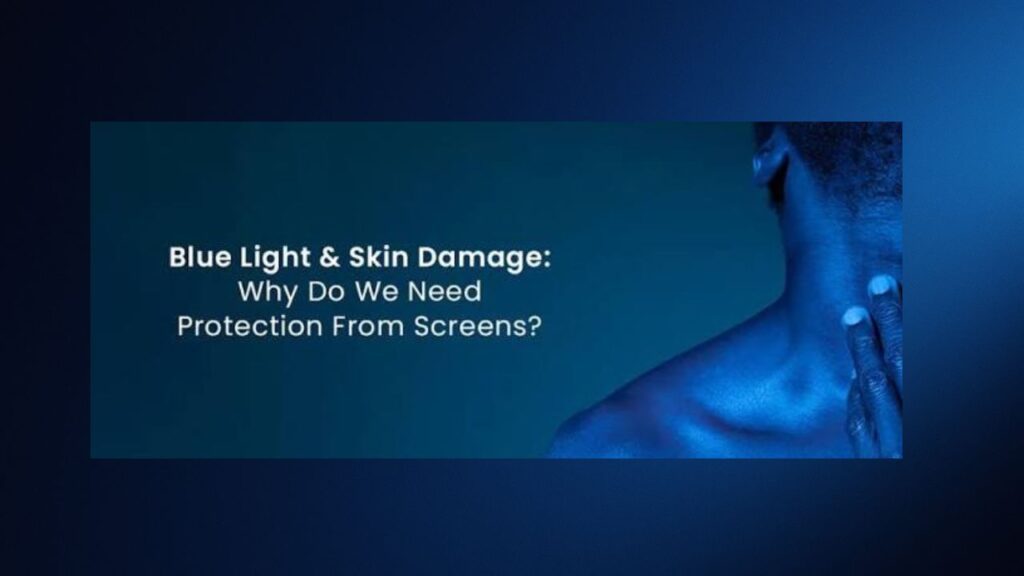
If your daily schedule consists of staring at laptops, scrolling through smartphones, and attending back-to-back virtual meetings, your skin is absorbing far more than just work stress. It is absorbing High-Energy Visible (HEV) light. Commonly known as blue light, this specific spectrum of light penetrates deep into the dermis, generating free radicals that cause collagen degradation, hyperpigmentation, and premature digital aging.
While traditional SPF guards against ultraviolet (UV) rays, standard sunscreens do not always block HEV light effectively. That is where topical digital defense comes into play. Incorporating the best blue light protection serums into your morning routine creates a high-performance shield against screen-induced oxidative stress.
In this comprehensive guide, we unpack the science of digital skin aging, review the best blue light protection serums currently available, and explain how to build a screen-proof skincare routine.
What Is Blue Light and How Does Screen Time Damage Your Skin?
Blue light, or HEV light, is part of the visible light spectrum ranging between 380 to 500 nanometers. While the primary natural source of blue light is the sun, our modern lifestyle subjects our skin to chronic, close-proximity exposure from digital screens.
Because blue light has a longer wavelength than UV rays, it penetrates directly into the deep dermis where collagen and elastin fibers reside. Prolonged exposure leads to several visible skin concerns:
- Oxidative Stress: Blue light triggers Reactive Oxygen Species (ROS), unstable molecules that break down healthy skin cells and accelerate wrinkle formation.
- Hyperpigmentation: HEV light stimulates melanocytes, leading to stubborn dark spots and uneven skin tone—especially in deeper skin tones.
- Skin Barrier Dysfunction: Continuous exposure weakens the lipid barrier, causing loss of elasticity, dehydration, and increased inflammation.
To counteract this damage, skin care scientists developed targeted formulations. Selecting the best blue light protection serums ensures your skin receives potent antioxidant defense, neutralizing ROS before they destroy structural proteins.
Key Ingredients to Look For in Blue Light Protection Serums
Not all serums are formulated to fight screen time. When evaluating the best blue light protection serums, ensure the formula features these clinically proven actives:
1. Advanced Antioxidant Complexes
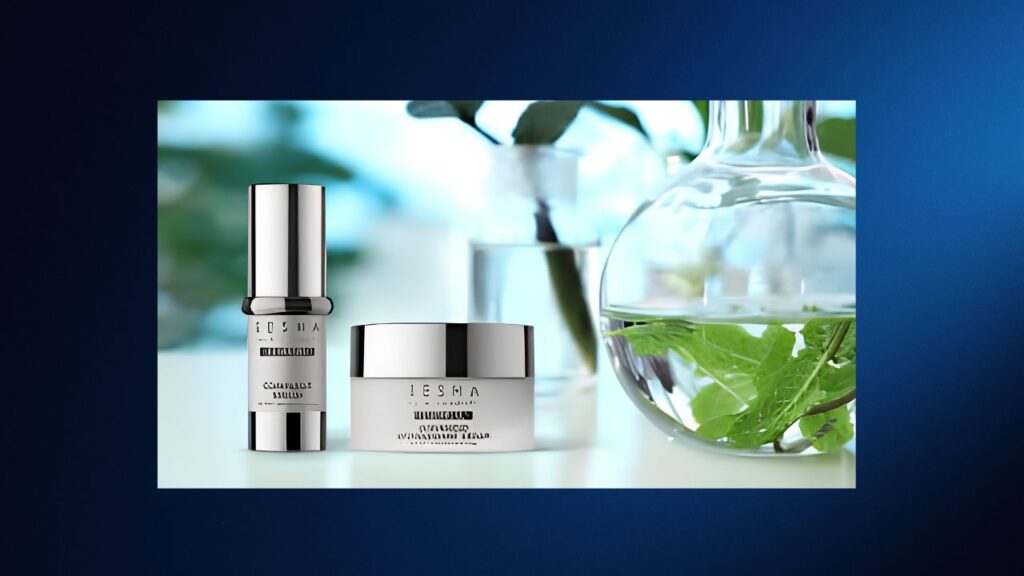
Antioxidants act as biological sponges for free radicals. Look for Vitamin C (L-Ascorbic Acid or Tetrahexyldecyl Ascorbate), Vitamin E, and Ferulic Acid. These ingredients work synergistically to repair cellular damage and maintain skin brightness.
2. Niacinamide (Vitamin B3)

Niacinamide is a staple ingredient in the best blue light protection serums because it fortifies the moisture barrier, mitigates screen-induced redness, and regulates hyperpigmentation caused by HEV exposure.
3. Ectoin & Carotenoids
Ectoin is a natural extremolyte that protects cells from environmental stress, while plant-based carotenoids (derived from microalgae, marigold extracts, or lutein) act as physical blue light absorbers, filtering out HEV wavelengths before they hit your skin.
4. Marine Algae Extracts & Ferments
Red and brown microalgae are rich in phytonutrients that shield organisms from harsh solar and visible radiation. Incorporating microalgae into the best blue light protection serums provides a protective botanical shield for city dwellers and remote workers alike.
Detailed Reviews: The Best Blue Light Protection Serums
Finding the right digital defense formula depends on your skin type, texture preferences, and daily environment. Here is a breakdown of top-tier serum options tailored to combat daily screen time:
1. The Ultimate Antioxidant Shield: Vitamin C & Peptide Blends
If your primary concern is brightening dullness caused by hours in front of a laptop, antioxidant-rich serums are essential. Combining stable Vitamin C with copper or signal peptides allows these formulas to stimulate collagen production while continuously neutralizing free radicals generated by digital screens. They stand out among the best blue light protection serums for dry and mature skin types seeking a noticeable glow.
2. The Hydration Barrier Restorer: Hyaluronic Acid + Niacinamide Serums
Prolonged screen time often coincides with air-conditioned or heated office environments that strip moisture from the epidermis. Serums that feature multi-molecular-weight Hyaluronic Acid alongside 5% to 10% Niacinamide restore lost hydration while building barrier resilience. These represent the best blue light protection serums for oily, sensitive, or acne-prone skin that needs lightweight, non-greasy protection.
3. The Botanical Defense Elixir: Microalgae & Plant-Stem Cell Formulas
For clean-beauty enthusiasts, plant-derived digital defense offers high-efficacy protection without synthetic fillers. Formulas featuring Swiss apple stem cells, lutein from marigold flowers, and spirulina ferments filter HEV light directly at the skin surface. Their rich, nourishing textures rank them high among the best blue light protection serums for dry, compromised, or sensitive skin barriers.
4. The All-in-One Hybrid: SPF 50 Mineral Sunscreen Serums
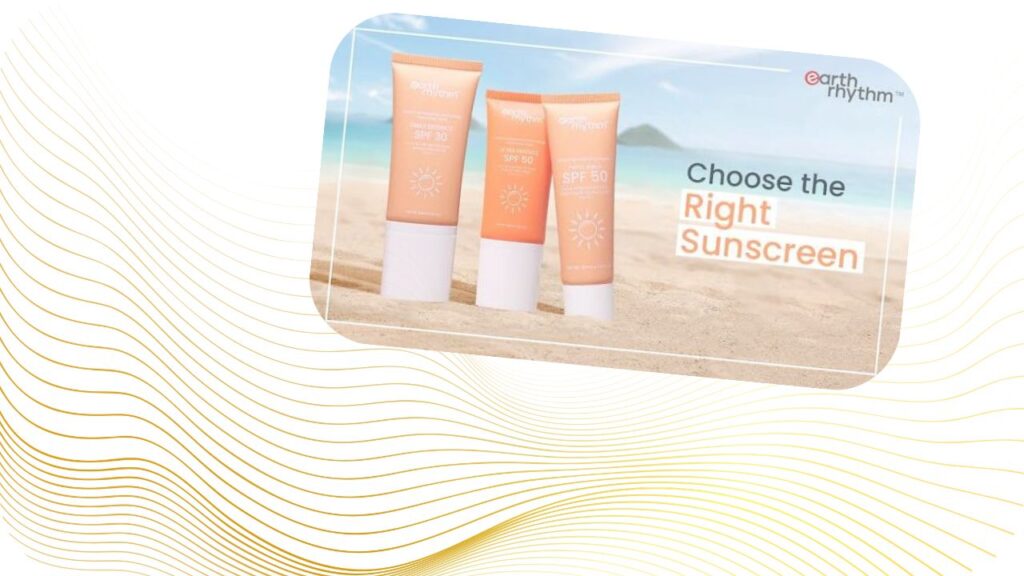
For maximum efficiency, hybrid SPF serums combine non-nano Zinc Oxide with blue light filtering antioxidants. Because Zinc Oxide acts as a physical barrier that reflects visible light waves, these hybrid products double as daily sun protection and digital defense. They rank among the best blue light protection serums for simplified morning routines.
Comparison of Top Blue Light Protection Serum Formulations
| Serum Category | Core Active Ingredients | Primary Skin Benefit | Ideal Skin Type |
| Antioxidant Powerhouse | Vitamin C, Ferulic Acid, Vitamin E | Brightens dullness & neutralizes free radicals | Normal, Combination, Dull |
| Barrier Support | Niacinamide, Hyaluronic Acid, Ceramides | Strengthens barrier & prevents water loss | Oily, Sensitive, Acne-Prone |
| Botanical Shield | Red Algae, Ectoin, Marigold Extract (Lutein) | Filters HEV light & combats stress damage | Dry, Sensitive, Mature |
| Mineral SPF Hybrid | Zinc Oxide, Microalgae, Ectoin | Reflects UV & HEV light physically | All Skin Types (Daytime Use) |
Determining which option among the best blue light protection serums fits your daily regimen comes down to whether you prefer a pure treatment serum layered under moisturizer or a hybrid SPF product for streamlined morning prep.
Step-by-Step: How to Layer Blue Light Serums in Your Routine
Applying your products in the correct order maximizes absorption and extends environmental protection throughout your workday.
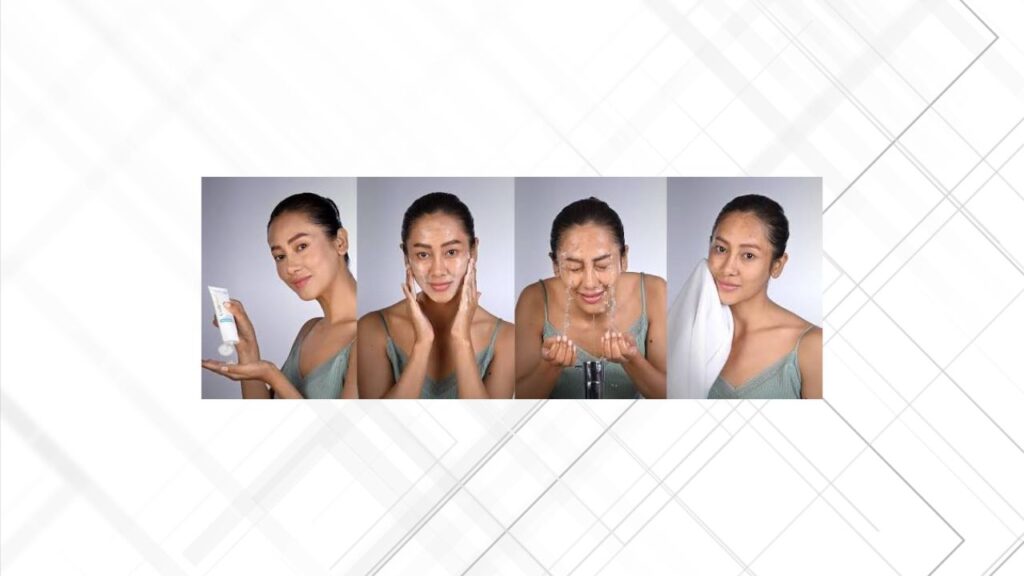
- Step 1: Gentle CleansingStart with a mild, non-stripping cleanser to clear overnight oils and prepare the skin for active absorption.
- Step 2: Hydrating Toner or EssenceApply a lightweight hydration mist containing green tea or rosewater to prep the skin dampness.
- Step 3: Application of the Best Blue Light Protection SerumsDispense 3–5 drops of your chosen serum onto fingertips. Gently press—rather than rub—the product into your face, neck, and chest area, ensuring full coverage across regions exposed to screen glare.
- Step 4: Barrier MoisturizerLock in the serum actives with a moisturizer containing ceramides or squalane. This creates an emollient seal that preserves hydration in dry office conditions.
- Step 5: Mineral Sunscreen (Broad-Spectrum)Finish your morning routine with a broad-spectrum mineral sunscreen containing Iron Oxides or Zinc Oxide. Layering mineral SPF over the best blue light protection serums creates an impenetrable dual barrier against both outdoor solar radiation and indoor screen light.
Lifestyle Habits to Reduce Screen-Induced Skin Damage
While utilizing the best blue light protection serums provides a robust topical defense, combining skincare with smart digital habits ensures optimal skin health:
- Enable Night Shift or Warm Light Mode: Adjust your computer and smartphone screen settings to display warmer tones. Reducing the blue spectrum emission lowers direct exposure to your face.
- Install Physical Screen Filters: Applying tempered glass anti-blue light shields to your monitors cuts HEV emissions at the source.
- Maintain Screen Distance: Keep desktop monitors at least arm’s length (20–30 inches) away from your face to reduce light intensity.
- Practice the 20-20-20 Rule: Every 20 minutes, look at an object 20 feet away for 20 seconds. This reduces ocular strain and breaks continuous facial exposure to concentrated screen light.
Using the best blue light protection serums alongside these simple tech adjustments gives your skin the ultimate defense against digital fatigue.
Read More-How to Get Glass Skin at Home: 7 Simple Steps to a Flawless Glowhttps://biharidihatti.online/how-to-get-glass-skin-at-home/
Frequently Asked Questions (FAQs)
1. Does blue light from screens really damage skin, or is it a marketing gimmick?
Yes, scientific studies confirm that high-energy visible (HEV) light penetrates deeper into the skin than UVA and UVB rays. Chronic exposure from daily screen time generates free radicals that accelerate collagen breakdown, disrupt the skin barrier, and cause stubborn hyperpigmentation. Using the best blue light protection serums provides antioxidants specifically targeted to neutralize this oxidative stress.
2. Can I just use regular sunscreen instead of a blue light protection serum?
Standard chemical sunscreens are formulated to absorb UVA and UVB rays, but they do not automatically block HEV light. To block blue light, you need either physical mineral filters (like Iron Oxides or Zinc Oxide) or targeted antioxidant serums that neutralize HEV-induced free radicals. Layering one of the best blue light protection serums under your daily moisturizer ensures comprehensive coverage indoors and outdoors.
3. Should I apply blue light protection serum at night or in the morning?
Blue light serums are most effective when applied during your morning skincare routine before you begin using digital devices. However, using antioxidant-rich formulations at night can also assist your skin’s natural cellular repair process, helping to fix cumulative oxidative damage caused by daytime screen exposure.
4. Are blue light protection serums suitable for acne-prone or sensitive skin?
Yes. Many of the best blue light protection serums feature lightweight, non-comedogenic ingredients like Niacinamide, Ectoin, and Hyaluronic Acid. These ingredients soothe inflammation, strengthen the moisture barrier, and regulate oil production without clogging pores or causing breakouts.
5. How long does it take to see results from using blue light protection serums?
While immediate benefits include enhanced skin hydration and protection against ongoing cellular stress, visible improvements in skin radiance, reduced hyperpigmentation, and firmer skin texture typically appear within 4 to 8 weeks of consistent daily use.
By investing in the best blue light protection serums and establishing daily digital defense habits, you can work, scroll, and stream comfortably—knowing your skin barrier remains radiant, healthy, and fully protected from modern screen exposure.